

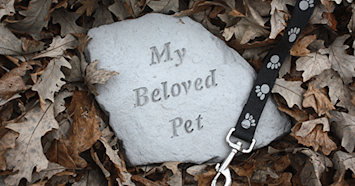
Losing a pet is one of life's most painful experiences. In the midst of grief, you're faced with a decision you may not feel ready to make: should you bury or cremate your beloved companion?
First, please know there's no right or wrong answer. The choice depends on your living situation, your budget, your beliefs, and how you want to remember your pet. About 90% of pet owners choose cremation, but burial remains deeply meaningful for many families. What matters most is choosing the option that feels right for you.
If you need time to think, that's okay. Most veterinarians can hold your pet's remains for a few days while you consider your options. You don't have to decide anything right now.
This guide walks you through both cremation and burial, including what to expect, how much each costs, and questions to help you decide. We hope it brings you some clarity during this difficult time.
What to Do When Your Pet Dies: First Steps
If you've just lost your pet, take a breath. You have time. Most states allow 24 to 48 hours before burial or cremation is required, and many veterinarians can hold your pet's remains longer while you make arrangements.
If your pet passed at the veterinarian's office:
Your vet can keep your pet's body while you decide what to do next. They can also help arrange cremation or provide referrals to local pet cemeteries. Don't feel pressured to make an immediate decision. It's okay to say, "I need a day to think about this."
If your pet passed at home:
Keep your pet's body in a cool location, such as an air-conditioned room or garage. You can wrap them gently in a towel or blanket. When you're ready, contact your veterinarian, a local pet crematory, or a pet cemetery to discuss your options.
Your main choices are:
Cremation: Your pet's body is cremated, and you may receive the ashes back depending on the service you choose
Burial: You can bury your pet at home (where legal) or in a pet cemetery
Aquamation: A water-based, eco-friendly alternative to traditional cremation
Pet Cremation: Types, Process, and What to Expect
Cremation is the most common choice for pet aftercare today. Many families choose cremation because it offers flexibility, has fewer legal restrictions than burial, and works for any living situation.
Types of Pet Cremation
There are three main types of pet cremation, and understanding the differences can help you choose the right option for your family.
Cremation Type | What Happens | Ashes Returned? | Typical Cost |
Private | Your pet is cremated alone in the chamber | Yes, guaranteed to be only your pet's ashes | $100–$500+ |
Individual (Partitioned) | Multiple pets are in the chamber but separated by partitions | Yes, though minimal mixing is possible | $50–$250 |
Communal | Multiple pets are cremated together without separation | No, ashes are not returned | $30–$200 |
Private cremation is the best choice if receiving your pet's ashes is important to you. Your pet will be the only one in the cremation chamber, so you can be certain the ashes returned are theirs alone.
Individual or partitioned cremation costs less than private cremation while still returning ashes to you. Pets are separated by partitions during the process, though there's a small possibility of minimal mixing.
Communal cremation is the most affordable option but does not return ashes. Some crematories scatter communal ashes in a memorial garden, which you may be able to visit.
What Happens During Pet Cremation
The cremation process uses high temperatures (1,400 to 1,800°F) to reduce your pet's body to bone fragments. These fragments are then processed into a fine, powdery substance that most people refer to as "ashes."
The process itself takes anywhere from 30 minutes for small pets to 2 or 3 hours for larger dogs. You'll typically receive your pet's ashes within one to seven days, depending on whether you go through your veterinarian or directly to a crematory.
What you receive back isn't ash like you'd find in a fireplace. Pet cremains are processed bone with a fine, sand-like texture, usually grayish-white in color. The amount typically weighs about 3% to 5% of your pet's original body weight.
Pros and Cons of Pet Cremation
Reasons families choose cremation:
Flexibility: You can keep the ashes in an urn, scatter them somewhere meaningful, bury them later, or have them made into memorial jewelry
Portability: If you move, your pet's remains can come with you
No legal restrictions: Unlike burial, cremation is permitted everywhere
Lower cost: Generally more affordable than pet cemetery burial
Safer after euthanasia: Avoids environmental concerns associated with burying a euthanized pet (more on this below)
Considerations to keep in mind:
No physical gravesite: Unless you bury the ashes, there won't be a specific place to visit
Quality varies: Not all crematories maintain the same standards. Look for facilities certified by the International Association of Pet Cemeteries and Crematories (IAOPCC)
Aquamation: An Eco-Friendly Alternative
If environmental impact matters to you, aquamation (also called alkaline hydrolysis or water cremation) is worth considering. It's a gentler process that uses water instead of flame, and according to the American Animal Hospital Association, it's legal for pets in all 50 U.S. states and has become an increasingly popular eco-friendly option.
How Aquamation Works
During aquamation, your pet's body is placed in a stainless steel chamber with a mixture of water and an alkaline solution. Over the course of 6 to 20 hours, the solution gently breaks down soft tissue, leaving only bone remains. These bones are then processed into a powder similar to traditional cremation ashes.
Why Some Families Choose Aquamation
Lower environmental impact: Uses about 90% less energy than flame cremation and produces no direct greenhouse gas emissions
Gentler process: Many people find the idea of water-based decomposition more comforting than fire
More remains returned: Aquamation typically returns about 20% more remains than traditional cremation
Appearance of ashes: The remains are usually whiter and finer in texture
Cost and Availability
Aquamation costs about the same as private cremation, typically $80 to $450 depending on your pet's size. However, it's not available everywhere yet. If you're interested, search for "pet aquamation near me" or ask your veterinarian if they know of any providers in your area.
Pet Burial: Options and Considerations

Burial gives you a permanent place to visit and can feel like a more traditional way to honor your pet. You have two main options: burying your pet at home or in a pet cemetery.
Home Burial
Burying your pet in your backyard can be a meaningful way to keep them close. However, there are important considerations before you proceed.
Check your local laws first. Home burial is not legal everywhere. Many cities, counties, and homeowners associations prohibit it entirely or have specific requirements you must follow. Contact your local municipality or animal control office to find out what's allowed in your area.
If home burial is permitted, follow these guidelines:
Bury at least 3 to 4 feet deep to prevent other animals from disturbing the grave
Choose a location away from water sources to prevent contamination
Call 811 before digging to locate underground utility lines
Use a biodegradable container or wrap your pet in a natural fabric
An important safety consideration: If your pet was euthanized, home burial may pose environmental risks. Pentobarbital, the drug used in most pet euthanasia, remains in the body and can be toxic to wildlife. The U.S. Fish & Wildlife Service has documented cases of bald eagles, hawks, and other animals dying after consuming improperly buried euthanized pets. If you choose home burial for a euthanized pet, burying at least 3 to 4 feet deep is essential to prevent scavengers from reaching the remains.
Also consider: Will you be in this home long-term? If you might move, the gravesite will stay behind.
Pet Cemetery Burial
A pet cemetery offers a permanent resting place with professional care. This can be a comforting option if you prefer not to handle burial yourself, or if home burial isn't possible.
What pet cemeteries typically offer:
Transportation of your pet's body from the vet or your home
A range of burial plots, caskets, and headstones
Ongoing maintenance of the gravesite
A peaceful location you can visit anytime
Cost: Pet cemetery burial generally ranges from $400 to $1,500 or more, depending on the plot size, casket, headstone, and ongoing maintenance fees.
When choosing a pet cemetery, look for one that's a member of the International Association of Pet Cemeteries and Crematories (IAOPCC), which maintains ethical standards and operating guidelines. Your veterinarian may be able to recommend reputable options in your area.
Pros and Cons of Pet Burial
Reasons families choose burial:
A place to visit: Having a physical location can be comforting and help with the grieving process
Sense of tradition: Burial can feel like a familiar, meaningful ritual
Cathartic process: For some, the act of preparing a grave and saying goodbye provides closure
Cultural or religious significance: Some traditions view burial as the proper way to honor the deceased
Before deciding on burial, it is important to weigh the practical considerations of both home and cemetery options to ensure you can honor your pet safely and within your budget.
If Burying at Home:
Legal Restrictions: Many cities and HOAs prohibit backyard burial. You’ll need to check local ordinances before you begin.
Physical Labor: Digging a grave to the recommended 3 to 4-foot depth is physically demanding, especially for larger pets or in rocky/frozen soil.
Safety Requirements: You must ensure the location is away from water sources and deep enough to protect local wildlife from euthanasia medications.
Future Moves: If you sell your home, the gravesite remains on the property, which can be difficult for some owners to leave behind.
If Using a Pet Cemetery:
Higher Cost: This is generally the most expensive option, involving fees for a plot, a casket, and often a professional burial service.
Annual Fees: Some cemeteries charge a "perpetual care" or maintenance fee to keep the grounds and headstone tended.
Travel Required: Unlike a backyard burial, you will have to travel to a specific location whenever you wish to visit the memorial.
Pet Cremation vs. Burial: Cost Comparison

Understanding the costs involved can help you make a decision that works for your family's situation.
Cost Comparison by Pet Size
Pet Size | Communal Cremation | Private Cremation | Aquamation | Home Burial | Pet Cemetery |
Small (under 30 lbs) | $30–$70 | $100–$175 | $80–$200 | Free* | $400–$600 |
Medium (30–60 lbs) | $50–$100 | $150–$250 | $150–$300 | Free* | $500–$800 |
Large (60–100 lbs) | $75–$150 | $200–$350 | $250–$400 | Free* | $600–$1,000 |
Extra large (100+ lbs) | $100–$200 | $300–$500+ | $350–$450+ | Free* | $800–$1,500+ |
*Home burial is free where legal but does not include any casket or grave marker.
Additional Costs to Consider
Beyond the basic cremation or burial fee, you may want to budget for:
Urns: $50 to $300 or more, depending on material and design
Transportation or pickup: $50 to $75 if the crematory or cemetery retrieves your pet
Memorial items: Paw prints, fur clippings, or memorial jewelry ($25 to $200)
Grave markers or headstones: $50 to $500
Many veterinarians work with cremation services and can handle arrangements for you, though going directly to a crematory may cost slightly less.
How to Decide: Cremation or Burial for Your Dog?
There's no universal answer to whether cremation or burial is "better." The right choice depends on your personal circumstances, values, and what will bring you the most peace.
These questions may help guide your decision:
Question | If Your Answer Is Yes |
Do you want a permanent place in nature to visit? | Burial (at home or a cemetery) creates a dedicated outdoor space where you can return to garden, reflect, and remember your pet. |
Might you move to a different home in the future? | Cremation offers portability, allowing you to keep your pet’s ashes with you and move them to a new home if needed. |
Do you have children who need a tangible way to say goodbye? | A burial ceremony (for a body or ashes) provides a physical ritual that helps children process the loss and gives them a place to bring flowers or stones later. |
Is a hands-on farewell ceremony important to you? | Home Burial allows for a private, intimate ritual on your own land and on your own timeline. |
Do you prefer a service that handles the logistics for you? | Cremation or a Pet Cemetery are helpful if you aren't physically able to dig a grave or don't want to manage the burial site yourself. |
Is budget your primary consideration? | Communal Cremation or a simple home burial (where legal) are the most cost-effective options. |
Are you looking for the most eco-friendly method? | Aquamation or a "Green" Burial using biodegradable materials offer the lowest environmental impact. |
Was your pet euthanized at home or the vet? | Cremation or Deep Burial (3–4 feet) are both safe options, though cremation removes the need for deep digging to protect local wildlife. |
A note about combining options: Many families choose private cremation first, then decide later what to do with the ashes.
What to Do with Your Pet's Ashes
If you choose cremation or aquamation, you'll receive your pet's ashes in a basic container, usually a sealed bag inside a simple box or tin. From there, what you do with the ashes is entirely up to you.
Common memorial options:
Keep at home: Display in a decorative urn on a shelf, mantel, or special spot in your home
Scatter: Release the ashes at a place that was meaningful to your pet, like a favorite park, beach, or hiking trail
Bury: Create a small memorial garden or gravesite in your backyard
Memorial jewelry: Have a small amount of ash placed in a pendant, ring, or bracelet you can wear
Plant a tree: Biodegradable urns are designed to mix ashes with soil and grow a memorial tree or plant
Keep temporarily: There's no rush. Many families hold onto the ashes for months or even years before deciding
There's no wrong answer, and you don't have to choose just one option. Some families scatter part of the ashes, keep some in a small keepsake urn, and use the rest to plant a tree.
Does Pet Insurance Cover Cremation or Burial?
Facing end-of-life decisions is emotionally exhausting, and the added worry of costs can feel overwhelming. While your focus is on saying goodbye, understanding what financial support might be available can help ease some of the stress.
Most standard pet insurance policies don't cover aftercare costs like cremation or burial. These expenses are considered end-of-life costs rather than medical treatment.
However, there are a few ways insurance can help lighten the load during this transition:
Euthanasia Coverage: Embrace policies cover the cost of euthanasia if it is medically necessary for a covered condition. This ensures that a pet's final medical needs are handled with dignity.
Wellness and Routine Care: Some optional wellness plans, like Wellness Rewards, are more flexible. These can be used to help pay for cremation or burial.
Lifting the Financial Weight: Having pet insurance throughout your pet's life often means that when you reach this difficult stage, you aren't already drained by the cost of previous medical crises. This can leave you with more resources to choose the exact memorial you want for your companion.
If you are currently navigating other end-of-life medical choices, you can read more about how pet insurance works to see which veterinary fees might be eligible for reimbursement.
FAQs About Pet Cremation and Burial
Saying goodbye to a pet is never easy. Whatever you decide, choosing cremation or burial is one way to honor the love you shared. Take your time, be gentle with yourself, and know that the right choice is the one that brings you peace. If you're struggling with grief, the AKC's guide to coping with pet loss offers helpful support.