

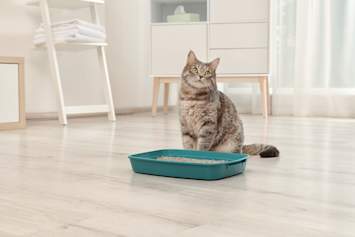
Some changes in your cat’s behavior can be positive, such as when that once-shy shelter cat begins to trust you over time or when your cat learns how to climb their new cat tree. But other changes aren’t so great, like when your cat starts going to the bathroom in unexpected places!
A cat peeing outside the litter box is more than an unpleasant accident or minor inconvenience. It’s a sign that’s something’s not quite right. Sometimes, it’s a minor issue, but other times, it can point to a serious medical problem that needs immediate treatment. This means it’s always important to identify the cause.
So why do cats pee outside the litter box? There are many reasons. For instance, this behavior could result from stress, a urinary tract infection, or even a natural instinct to mark their territory and keep other cats from encroaching on it. How can a pet owner figure out which cause is at play in their pet’s situation? Embrace Pet Insurance is here to break down the reasons felines go outside the litter box, how you can identify the specific cause, and how to stop the behavior.
Determining If a Cat is Spraying or Marking
There’s no mistaking that your cat is avoiding the litter box. While the horrendous ammonia smell on your floor, rug, or furniture can be a nuisance, it doesn’t always mean your cat is having bladder issues. In fact, it’s not unusual for a pet to avoid the litter box on purpose, particularly when they are marking their territory. Cat urine contains pheromones and leaving these chemicals around the area is a way for cats to communicate with other felines. Sometimes, the message is, “Hey, I’d love to go on a date!” while other times, the message is, “Stay away from my home and my human!”
Inappropriate Elimination | Spraying (Urine Marking) | |
Posture | Squats to urinate | Stands with tail held upright and quivering |
Amount of urine | Normal or large amount | Small amount |
Where it happens | Horizontal surfaces like floors, rugs, bedding, or furniture | Vertical surfaces like walls, doors, or furniture sides |
Most common causes | Medical problems, litter box issues, pain, or stress | Territorial behavior, hormones, or conflict with other cats |
Spraying is different from simply urinating outside the box because your cat needs to empty their bladder. You can tell whether your cat is spraying by observing their tail. When a cat sprays, they usually put their tail straight up and quiver it back and forth. They usually spray only a tiny amount of urine on a wall or other vertical surface such as the side of a couch or table.
Spraying isn’t the only type of marking, though. Marking can also occur when a cat intentionally urinates outside a box to signal that the house is their territory. In these cases, they usually urinate a normal amount but do so in a targeted location. They also squat to pee, rather than raise their tail. They might do this when they’re competing for space with another cat in the home. It can also happen if your pet has seen or smelled an outside cat. In this case, they may mark near the doorway or window in an attempt to send a feline signal. Your cat may even decide to mark shoes (always your favorite pair, of course!) or clothing if they pick up another feline’s scent on them. It’s their way of saying, “This is my space.”
Why Does My Cat Pee Outside the Litter Box (Not Marking)
“But why is my cat peeing outside the litter box when there are no other cats around?” you might wonder. To answer this question, you’ll need to do a little more investigating. When a cat keeps peeing outside the litter box, there can be more serious issues at play than a simple feud or romance between cats.
Several medical problems can cause your cat to urinate in inappropriate locations.
Cat Urinary Tract Infection (UTI): Your pet could have what’s known as a cat urinary tract infection. More commonly known as a cat UTI, this happens when bacteria causes infection in the urinary tract. Cat UTIs can be triggered by diabetes, cancer, bladder stones, or several other medical conditions. Fortunately, antibiotics are typically effective for clearing up a UTI, and they’re usually not a life-threatening issue.
Diabetes: Cat diabetes can be as serious as the human version. It occurs when a cat’s pancreas doesn’t produce or recognize insulin, a hormone that processes sugar. Diabetic cats may lose the ability to control their bladder when the disease is untreated. The veterinarian will need to perform bloodwork and a urinalysis to make an official diagnosis. To treat the symptoms, your cat will likely need to lose weight (if they’re overweight) and eat a special diet. Often, this will keep problems at bay.
Feline idiopathic cystitis (FIC) and FLUTD: FLUTD stands for feline lower urinary tract disease and can be caused by several issues. One of these issues is FIC, a condition in which the bladder is inflamed but the cause isn’t known. Urine testing, x-rays, and ultrasounds can rule out the known causes of FLUTD. Once those are crossed off the list of possibilities, a vet will then determine the cause to be unknown and diagnose your cat with FIC. Treatment often includes making changes to your cat’s diet and ensuring their environment isn’t contributing to the issue. Pain medication may be necessary in some cases.
Bladder stones or crystals: These are accumulations of minerals in a cat’s bladder. Not only are these stones and crystals painful, but they can also prevent urine from leaving your cat’s body. The situation can become life-threatening in a matter of hours in this case. Cats with bladder crystals are more likely to urinate around the house, often passing blood as they do so. Treatment includes dietary changes, but emergency surgery may be necessary when a full blockage occurs.
Kidney disease: Another reason a cat pees outside the litter box is kidney disease. This common condition can make your cat drink more and, thus, urinate more. When the disease progresses, your pet may also begin to vomit frequently and eat less. However, it’s not uncommon for animals to show no signs at all that their kidneys aren’t working properly, which is why taking your cat for annual checkups is crucial. Blood and urine tests can identify issues you wouldn’t otherwise know about. Switching your cat to a renal diet, ensuring they stay well-hydrated, and keeping on top of daily prescriptions can help your furry friend manage kidney disease.
Arthritis medications: While a cat not peeing in a litter box usually isn’t directly related to arthritis itself, the prescriptions used to treat arthritic pain can affect your cat’s urinary tract. NSAIDs, anti-inflammatory medications, can cause kidney issues over time. When your cat’s kidneys aren’t functioning properly, they’re more likely to pee away from their litter box.
Why Does My Cat Keep Peeing Outside the Litter Box: Urethral Blockage
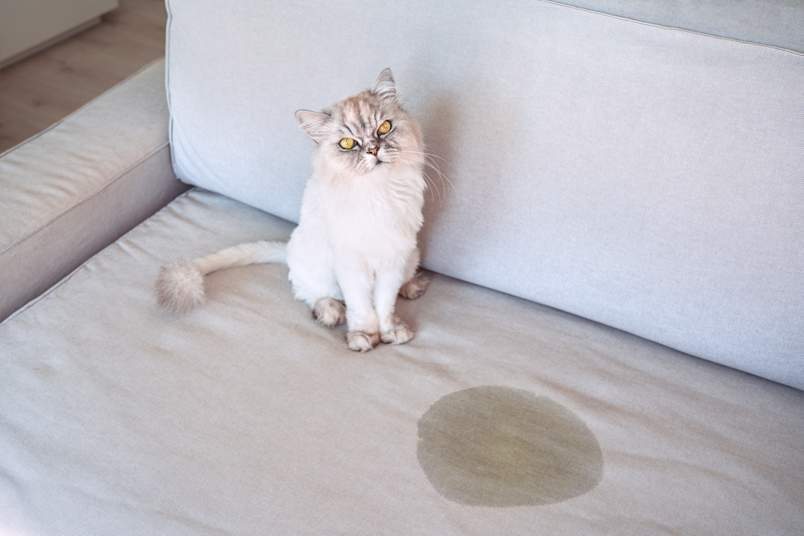
Sometimes, urinary problems are fleeting and easily resolve once treated. However, there are instances where cats peeing outside the litter box (or trying to do so) signals an emergency. If your cat is straining to urinate just a tiny amount or is producing no urine at all, you need to take them to an emergency vet immediately. This is a sign of a urethral blockage, which means urine is blocked from exiting the body. Other signs of urethral blockage include:
Frequent trips to the litter box
Yowling and crying
Licking their genitals
Hiding in unusual spots
Males are more at risk due to their anatomical structure. Their long and relatively narrow urethras are more prone to obstructions forming from bladder crystals, kidney stones, and infection. Not all male cats will experience urethral blockages, but you should be mindful of the increased risk. If your cat’s urethra does become blocked, the vet may need to perform emergency surgery to save his life.
Litter Box Problems: The Setup Itself
“My cat is peeing outside the litter box, but all medical tests are negative. What now?” Hopefully, your cat’s bathroom issues are due simply to your litter box setup! That’s right. The litter box itself could be the problem. In this case, the problem is likely a quick fix. To pinpoint the exact issue, ask yourself the following questions:
Is the litter box clean? Am I scooping out waste at least once a day? Just as no human enjoys using a dirty public restroom, no cat likes to use a filthy litter box.
Could my cat be having issues with the type of litter or its texture? If the litter is scented, the fragrance could be off-putting or even irritating your cat’s urinary tract.
Is the litter box large enough for my cat? The bigger your cat, the bigger the litter box. Additionally, some cats prefer an enclosed litter box while others prefer an open one. Older cats or those with arthritis may also have trouble stepping into a high-sided litter box, so a larger box with a lower entrance may be easier and more comfortable to use.
Where is the litter box located? Is it in a quiet, private location? Is there a litter box on each floor? Many cats don’t want to trek up the stairs to go to the bathroom and will relieve themselves in a more convenient location.
Are there enough litter boxes for all your cats? The recommended number is one for each cat plus an extra. So, if you have two cats, three litter boxes is the ideal amount.
How to Stop a Cat From Peeing Outside the Litter Box
A cat peeing outside of the litter box even one time can make keeping your home clean and hygienic difficult. One common mistake pet owners make is thinking that wiping up the mess with a little soap and water is enough, but regular soap doesn’t get rid of the smell. Once your cat (or other cats in the home) smell urine in an area, they are more likely to pee there again. To effectively combat the smell, you need an enzymatic cleaner that cancels out the odor on a chemical level.
You can also try using pheromones to discourage your pet from urinating outside the box. Feline pheromones come in the form of a spray or plug-in diffuser. Many cats find these pheromones calming, and if they’re feeling territorial due to other cats in the area, the pheromones can reduce the desire to mark.
If you haven’t taken your cat for a check-up recently, make sure to get an appointment on the calendar. If at any point you are concerned something isn’t right with your cat’s health, discuss your concerns with the veterinarian so they can follow up appropriately.
What NOT to Do
It cannot be stressed enough that punishing your cat for urinating outside the litter box is not only cruel but will actually make the situation worse. Scolding or rubbing your cat’s nose in the spot are absolutely not appropriate ways to address the situation. They make your cat fearful of you and can also make your cat associate the litter box with punishment. A cat peeing outside of the litter box is already doing it for one reason – don’t give them a second one!
When to Call Your Vet and How Embrace Can Help
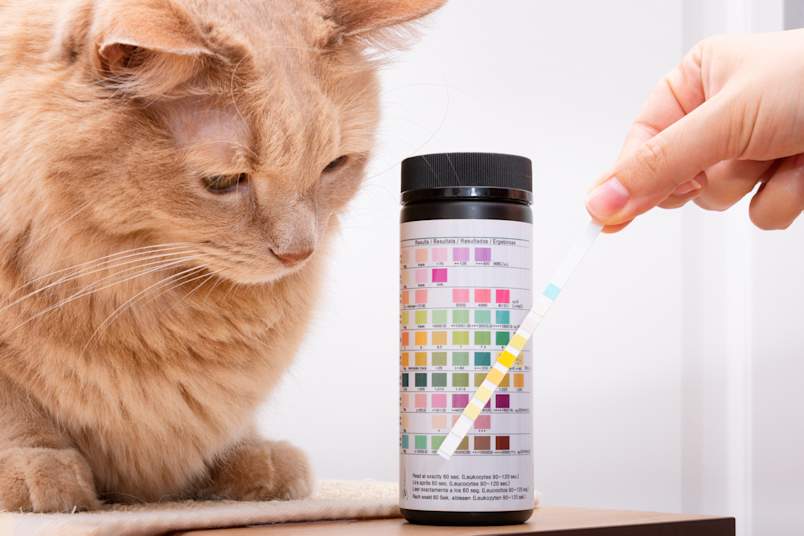
If you’re struggling with your cat’s bathroom habits, consult with your vet for advice, especially if the behavior happens multiple times. At the first sign of a possible urethral blockage (straining to pee, producing little to no urine, or yowling), head straight to a veterinary hospital rather than waiting to schedule a routine appointment.
Your veterinarian will likely perform a physical exam along with tests such as a urinalysis, bloodwork, and, in some cases, X-rays or an ultrasound to determine what’s causing the problem. While these diagnostics are essential, they can also become expensive, especially if emergency care or hospitalization is needed.
That’s one reason many cat parents choose pet insurance before problems arise. Cat health insurance can help cover eligible diagnostic tests, treatments, medications, surgery, and hospitalization for covered illnesses, making it easier to focus on getting your cat the care they need instead of worrying about the cost. For routine care, Wellness Plans can help you budget for eligible expenses like annual exams and preventive care that may catch health issues before they become emergencies.
A Problem That Requires Patience and Problem-Solving
Most cats don’t stop using the litter box out of spite. They’re trying to tell you that something in their body, environment, or routine isn’t right. By identifying and then treating the cause of your cat’s litter box problems, you can help your cat stay healthy while keeping your home fresh and clean!